 How-to
7 Steps to Stop Yo-Yo Dieting and Keep Weight Off
Last Updated: November 12, 2026
Quick Summary
To stop yo-yo dieting, swap restriction for real whole foods, build satiety with protein, fiber and healthy fats, and keep small habits that survive a bad week. Set a five-to-seven pound maintenance range and plan your response to slips in advance.
- Only about one in six overweight people lose 10 percent or more of their weight and keep it off.
- Fill your plate with real whole foods first so cravings lose their grip.
- Build satiety with protein, fiber and healthy fats at every meal.
- Avoiding weight cycling in the first year after loss is critical for lasting results.
- Set a five-to-seven pound maintenance range instead of a single goal weight.
Table of Contents
- Why Yo-Yo Dieting Happens and How to Break the Cycle
- Step 1: Swap Restriction for Real, Whole Foods
- Step 2: Build Satiety With Protein, Fiber, and Healthy Fats
- Step 3: Create Sustainable Weight Loss Habits That Fit Your Life
- Step 4: Use Emotional Eating Support to Handle Triggers
- Step 5: Follow a Personalized Nutrition Plan, Not a Fad
- How to Maintain Weight Loss Through the Transition Phase
- Your Next Step: Schedule a Consultation with Pamela
- Frequently Asked Questions
Why Yo-Yo Dieting Happens and How to Break the Cycle
If you have ever lost weight, felt proud, then watched it creep back, you are not weak, and you are not alone in wanting to stop yo-yo dieting. You are caught in a cycle that biology and diet culture built together. Learning how to stop yo-yo dieting forever starts with understanding that the problem was never your willpower.
At Nutrition is Fashionable, we see this pattern constantly. Many people come to us after years of losing and regaining the same weight, often feeling their body is to blame.
Here is the good news. Only about one in six people who are overweight lose 10 percent or more of their weight and keep it off, according to long-term weight maintenance research. That number sounds grim, but it tells us something useful. The people who succeed do not try harder. They change the approach.
What Counts as Weight Cycling
Weight cycling is the repeated pattern of losing weight and gaining it back, often called yo-yo dieting. Each cycle usually follows the same script: a strict plan, fast results, a slip, then a full rebound.
The size of the swings matters less than the pattern itself. Small ups and downs are normal. Repeated crash-and-rebound cycles are not.
The Biology Behind Regain
Your fat cells keep a kind of biological memory. Research reported by The Guardian on fat cell memory suggests this memory can shape how your body responds to food for years after a diet ends.
That does not mean you are doomed. It means your body is protecting a set point it knows well. Work with that biology instead of fighting it.
Step 1: Swap Restriction for Real, Whole Foods
The biggest mistake we see is starting with subtraction. Cut the carbs, cut the fat, cut the joy. Then the rebound arrives.
A better first move is addition. Fill your plate with real, whole foods first, and the foods you crave start to lose their grip. If calorie counting has burned you out before, our guide on how to lose weight without calorie counting walks through this shift in detail.
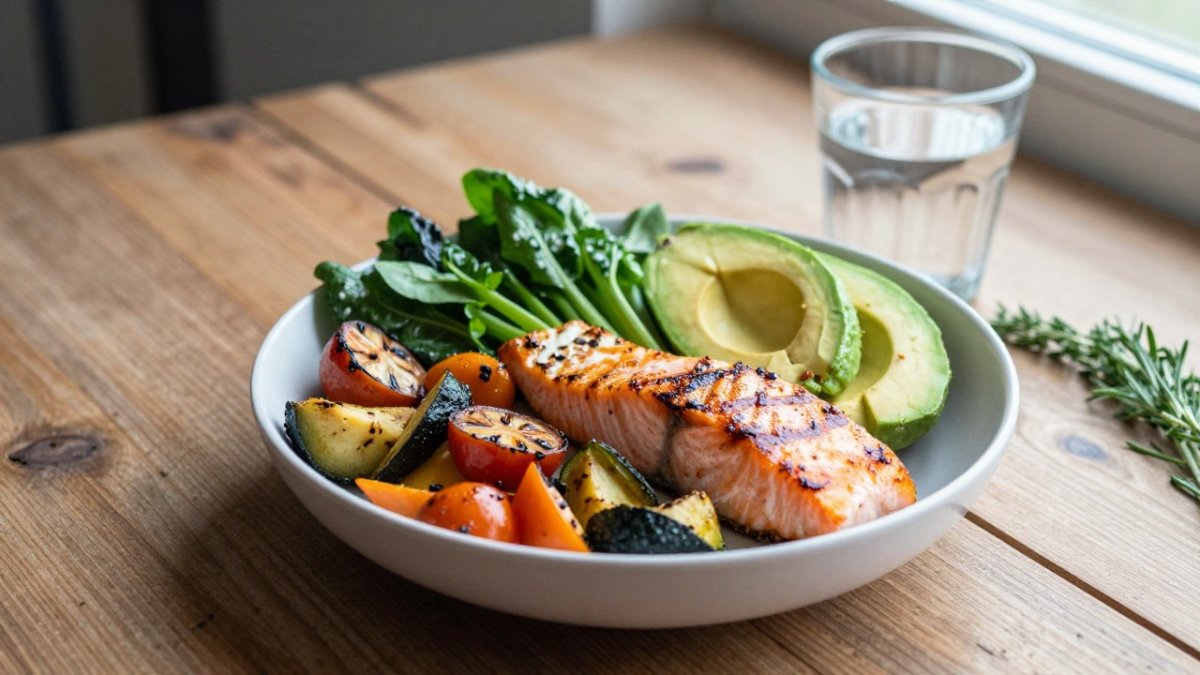
Try a simple Gundry-friendly plate:
- Roasted vegetables with olive oil and herbs
- Wild-caught salmon or pasture-raised eggs
- Leafy greens with avocado and lemon
- A handful of walnuts or macadamias
This is not about perfection. It is about crowding out processed foods and added sugars with food that actually feeds you.
Step 2: Build Satiety With Protein, Fiber, and Healthy Fats
Hunger is the engine of regain. If every meal leaves you searching the pantry an hour later, no plan will last.
Satiety is the feeling of genuine fullness that carries you to the next meal. Build it deliberately with three things:
- Protein at every meal, from eggs, fish, or grass-fed meat
- Fiber from vegetables, chia seeds, and nuts
- Healthy fats from olive oil, avocado, and coconut
Guidance from GoodRx on high-satiety foods points to nuts, yogurt, and satisfying whole foods as key tools for breaking the hunger-driven cycle of regain. When meals satisfy you, willpower stops being the plan.
Step 3: Create Sustainable Weight Loss Habits That Fit Your Life
A habit that needs two free hours a day is hard to sustain. It is a temporary project, and temporary projects end.
Start with habits small enough to survive a bad week:
- Prep one vegetable at a time, not a week of meals
- Keep a protein snack in your bag
- Eat one meal a day without a screen
- Walk for ten minutes after dinner
Research in PMC on weight cycling stresses that avoiding weight cycling in the first year after loss is critical for lasting results. Small, repeatable habits protect that first year. For a deeper look at this stage, read sustainable weight management for women.
Step 4: Use Emotional Eating Support to Handle Triggers
Most rebounds do not start in the kitchen. They start after a hard day, a difficult conversation, or a lonely evening.
Emotional eating support means learning to notice the trigger before the fridge door opens. Try this:
- Pause and name the feeling out loud
- Ask what you actually need: food, rest, or connection
- Keep one non-food comfort ready, like tea or a walk
Our guide to holistic health coaching for beginners explains the kind of support that helps here. Social and environmental triggers, from office treats to family gatherings, deserve the same attention.
Step 5: Follow a Personalized Nutrition Plan, Not a Fad
No two bodies respond the same way to the same foods. That is why one-size-fits-all diets fail so many people.
A personalized nutrition plan is built around your body, your schedule, and your history. It considers how you sleep, how you handle stress, and which foods leave you energized or drained. This is the idea of bio-individuality, and it is the heart of how we work.
You can read more about Pamela's coaching approach to see how a plan like this comes together.
How to Maintain Weight Loss Through the Transition Phase
The transition phase is the stretch after active weight loss, when the plan stops feeling new. This is where most people slip, and where the least advice exists. Maintenance advice is often vague about the specifics. Here is a concrete protocol.
Step 1: Set a Maintenance Range, Not a Number
A single goal weight turns every normal fluctuation into a crisis. Set a five-to-seven pound range instead. As long as you are inside the range, you are maintaining. Only when you drift above it do you make a small correction, never a crash diet.
Step 2: Raise Calories Slowly, Not All at Once
After a deficit, do not jump straight back to old eating patterns. Increase intake gradually over time, focusing on protein and healthy fats, and hold each level for a week or two. A gradual increase gives the body time to adjust and can reduce the chance of a sudden rebound.
Step 3: Keep the Anchors, Drop the Rules
The habits that got you here should not disappear. Keep the anchors that carry the most weight:
- Protein at every meal, from eggs, fish, or grass-fed meat
- A vegetable at every meal, prepared simply with olive oil and herbs
- One screen-free meal a day
- A ten-minute walk after dinner
Drop the rigid rules, the exact calorie counts, the forbidden foods, the all-or-nothing thinking. Maintenance is a looser version of the loss phase, not a stricter one.
Step 4: Build a Slip Protocol Before You Need It
A slip is information, not failure. Decide in advance what you will do when the scale drifts up three pounds or a stressful week derails your meals:
- Return to your anchors for one week, no calorie counting, no punishment
- Add one extra walk and one extra serving of vegetables per day
- Check in with yourself weekly, not daily
- If the drift continues for two weeks, seek support rather than cutting harder
Newer analysis from the German Center for Diabetes Research suggests the damage once blamed on weight cycling may be smaller than assumed. The takeaway is not permission to rebound. It is that a slip does not ruin you, and a planned response can keep a slip from becoming a cycle.
Step 5: Navigate Social and Environmental Triggers
Most rebounds are triggered outside the kitchen. Office treats, family gatherings, holidays, and stressful evenings all push toward old patterns. A simple framework helps:
- Before the event: eat a protein-and-fiber snack so you arrive satisfied, not starving
- During the event: fill your plate once with the foods you actually want, then step away from the table
- After the event: return to your anchors at the next meal, no compensation, no restriction
This is the same emotional eating support covered earlier, applied to the situations that most often restart the cycle. For a deeper look at this stage, read sustainable weight management for women.
Here is the transition-phase protocol at a glance.
| Step | What to do | Key detail |
|---|---|---|
| Set a maintenance range | Track a range, not a single number | Five-to-seven pound range |
| Raise calories slowly | Increase intake gradually, hold each level | Hold each level for a week or two |
| Keep the anchors | Protein and a vegetable at every meal | One screen-free meal; ten-minute walk |
| Build a slip protocol | Decide your response in advance | Return to anchors for one week |
| Handle triggers | Snack before, plate once, return to anchors | No compensation, no restriction |
Your Next Step: Schedule a Consultation with Pamela
Breaking the cycle alone is hard. Doing it with a guide who knows your history is far easier.
We built Nutrition is Fashionable around bio-individuality, not another restrictive plan. As a Certified Holistic Health Coach and graduate of the Institute for Integrative Nutrition, Pamela brings evidence-based guidance, resources for healthy meal ideas, and essential oil education to every session. You get an integrative approach that looks at both nutritional and non-nutritional parts of your life. And you get a supportive space where a slip is information, not failure.
If you are ready to stop the cycle for good, book a consultation and take the first step.
You have the steps. What you need now is a plan shaped around your body and your life. Get started with Nutrition is Fashionable and build habits that last.
Frequently Asked Questions
How can I stop yo-yo dieting when I keep regaining the weight?
Focus on habits you can keep rather than a short-term plan. Long-term maintenance is difficult for many people, and consistency often matters more than willpower. Start by adding whole foods, protein, and fiber to meals instead of cutting entire food groups. Build one small habit at a time, track how your body responds, and get support for emotional triggers. This approach targets long-term maintenance rather than a quick fix.
What causes weight regain after dieting?
Weight regain often comes from a mix of biology and behavior. Some researchers propose that fat cells may retain a kind of biological memory that influences how the body responds to food. Very restrictive diets can also make hunger harder to manage once the plan ends. Planning a deliberate transition phase rather than returning to old eating patterns can help support long-term results.
Is yo-yo dieting actually harmful, or is that a myth?
The picture is more nuanced than headlines suggest. Some newer analyses are re-evaluating how much damage weight cycling truly causes. That said, repeated cycles can be stressful and make it harder to build sustainable habits, so breaking the cycle is still worth the effort.
Can stress and sleep affect my weight-management habits?
Yes. Stress and poor sleep both influence appetite, energy, and food choices, which makes emotional eating more likely. When you are exhausted, processed foods and added sugars become harder to resist. Try a simple evening routine: a consistent bedtime, a short walk after dinner, and a protein-rich breakfast to steady blood sugar in the morning. Addressing these non-nutritional factors is part of a personalized nutrition plan and often makes eating habits easier to maintain.