 Ultimate guide
Holistic Nutrition for Chronic Fatigue: A Gundry-Style Guide
Quick Summary
Holistic nutrition for chronic fatigue means treating food as one supporting part of a wider plan that includes sleep, stress, movement and pacing. Nutrition cannot cure chronic fatigue syndrome (ME/CFS), so it should complement clinical care rather than replace it.
- Track meals, sleep, activity and symptoms for two to three weeks before changing your diet.
- Change one habit per week, such as swapping white bread for a whole-grain option.
- Build each meal around a protein, fiber-rich vegetables or whole grains, and a healthy fat.
- Keep no-cook staples and batch-cook on good days to manage low-energy days.
- Discuss any dietary change or supplement with your clinician before starting.
Table of Contents
- Holistic Nutrition for Chronic Fatigue: A Gundry-Style Guide
- What Holistic Nutrition Can and Cannot Do for Chronic Fatigue
- The Gundry-Friendly Principles: Whole Foods, Fewer Lectins, Less Inflammation
- Chronic Fatigue Syndrome Diet: A Step-by-Step Adjustment Plan
- Foods to Avoid with Chronic Fatigue Syndrome
- Vitamins for Chronic Fatigue Syndrome and Natural Supplements to Discuss
- Gundry-Friendly Recipes for Low-Energy Days
- Your Next Step: Building a Sustainable Eating Plan with Pamela
- Frequently Asked Questions
Holistic Nutrition for Chronic Fatigue: A Gundry-Style Guide
Last Updated: November 14, 2026
What Holistic Nutrition Can and Cannot Do for Chronic Fatigue
Holistic nutrition for chronic fatigue means looking at what you eat as one part of a larger picture that includes sleep, stress, movement and pacing. At Nutrition is Fashionable, our approach starts from the premise that no single diet fixes a condition as complex as chronic fatigue syndrome (ME/CFS). A systematic review of nutrition interventions found insufficient evidence that nutritional supplements or elimination diets relieve CFS/ME symptoms Systematic review of dietary and nutrition interventions for chronic fatigue syndrome/myalgic encephalomyelitis. That is an honest starting point, and we think it should frame any conversation about food and fatigue.
What nutrition can do is support the basics: steady energy from balanced meals, enough fiber and protein, and fewer foods that leave you sluggish. Clinical studies have linked balanced diets rich in whole grains, polyphenol-rich vegetables and omega-3 foods with benefits, though the size and certainty of those effects remain unclear Review of anti-inflammatory diets and fatigue.
What nutrition cannot do is replace medical care. Dietary changes should not be treated as a substitute for evidence-based clinical treatment. A review of CFS care concluded that properly applied rehabilitative approaches offer the best hope of safely improving fatigue and function Evidence-based care for people with chronic fatigue syndrome and myalgic encephalomyelitis. Think of food as a supporting tool, not a cure.
The Gundry-Friendly Principles: Whole Foods, Fewer Lectins, Less Inflammation
The Gundry-style approach centers on whole, minimally processed foods, with attention to foods that many people find hard to digest. In general terms, that means building meals around vegetables, quality proteins and healthy fats while limiting refined sugar, fried foods and heavily processed products.
The "fewer lectins" idea is a common part of this philosophy. Lectins are proteins found in some plant foods, and the approach suggests preparing beans and certain grains carefully, such as soaking, sprouting or pressure cooking, before eating them. Evidence on lectins for fatigue specifically is limited.
Inflammation is the other key theme in this philosophy. Anti-inflammatory dietary patterns emphasize polyphenol-rich vegetables, omega-3 fats and fiber.
Chronic Fatigue Syndrome Diet: A Step-by-Step Adjustment Plan
A workable plan changes one habit at a time and is built around your actual energy envelope, not an idealized week. The framework below is deliberately cautious: it treats nutrition as supportive care alongside clinical management, not as a treatment for ME/CFS.
Step 1: Track Before You Change
Spend two to three weeks logging meals, hydration, sleep, activity and symptoms in a simple notebook or app. Note post-exertional malaise (PEM) separately from everyday tiredness, because PEM, a worsening of symptoms after physical or cognitive exertion, is a hallmark of ME/CFS and is not the same as feeling sleepy. A food-and-symptom journal can help you notice patterns without assuming one diet works for everyone. Bring the log to a clinician if symptoms are severe, new or worsening.
Step 2: Change One Thing Per Week
Replace one processed item per week rather than removing whole food groups. Swap sugary drinks for water with lemon, or white bread for a whole-grain option. Our approach to nutrition is built on gradual change. Learn more about how this philosophy works in practice in our approach to nutrition.
Restrictive elimination diets can increase nutrition risk, so avoid cutting multiple food groups at once without dietitian guidance.
Step 3: Build Each Meal Around Protein, Fiber and Healthy Fats
Each meal should include a protein source, fiber-rich vegetables or whole grains, and a healthy fat such as olive oil, avocado or nuts. Building balanced meals without rigid tracking is covered in this guide to losing weight without calorie counting.
Step 4: Plan for Low-Energy Days
Pacing applies to food preparation as much as to exercise. Keeping a shelf of no-cook staples, such as tinned fish, olive oil, avocado, pre-washed greens, frozen vegetables and pre-cooked lentils, can mean a meal does not depend on standing at the stove. Batch-cook on higher-energy days and freeze single portions. A stool at the counter, a slow cooker and a pressure cooker reduce standing time. These are practical adaptations, not evidence-based treatments, but they make consistent eating possible when energy is limited.
Step 5: Review and Adjust With Your Clinician
Re-read your journal monthly and keep changes that clearly help. Discuss any planned dietary change with your healthcare provider, especially if you have gastrointestinal symptoms, food allergies, diabetes or other conditions that affect nutrition planning. Nutrition research on ME/CFS is limited and results conflict.
The plan works best when each step is matched to a clear timeframe, so here is a quick overview of the five steps.
| Step | What to do | Time or frequency |
|---|---|---|
| Track before you change | Log meals, hydration, sleep, activity and symptoms | Two to three weeks |
| Change one thing per week | Replace one processed item with a whole-food swap | One change per week |
| Build each meal around key foods | Include protein, fiber-rich vegetables or grains, and a healthy fat | Every meal |
| Plan for low-energy days | Keep no-cook staples and batch-cook on higher-energy days | Batch-cook and freeze single portions |
| Review and adjust with your clinician | Re-read your journal and discuss planned changes | Monthly review |
Foods to Avoid with Chronic Fatigue Syndrome
There is no proven list of foods that cures chronic fatigue syndrome. However, many people find that limiting certain foods helps them feel better day to day. Consider reducing:
- Refined sugar and sugary drinks, which can cause energy spikes and dips
- Refined carbohydrates such as white bread and pastries
- Fried foods and highly processed snacks
- Processed meats
- Alcohol, which can disrupt sleep and recovery
Watch for patterns in your own body. Keeping a simple food and energy journal for two to three weeks can reveal which foods seem to help or hurt you. For a natural-approach look at tackling low energy, see How Do You Fix Low Energy Levels Naturally?.
Vitamins for Chronic Fatigue Syndrome and Natural Supplements to Discuss
Supplements are often promoted for fatigue, but the evidence is weak and mixed. A review of dietary supplementation for fatigue in ME/CFS did not establish a clear benefit Review of dietary supplementation for fatigue symptoms in ME/CFS. That does not mean no one benefits; it means the certainty is low and individual responses vary. Treat supplements as a discussion topic for your clinician, not a self-treatment plan.
Commonly discussed options include magnesium, CoQ10, L-carnitine and omega-3 fatty acids, which clinicians may review with patients. Each has a different evidence base and different safety considerations:
- Magnesium: Found in leafy greens, nuts, seeds and legumes. Supplement forms vary in absorption, and high doses can cause digestive upset. People with kidney disease should not supplement without medical advice.
- CoQ10: Studied in fatigue and mitochondrial function, but trials are small and results are inconsistent. It can interact with blood thinners, so clinician review matters.
- L-carnitine: Some small studies report benefit, but evidence is limited and doses vary widely. It may interact with thyroid medication and blood thinners.
- Omega-3 fatty acids: Best obtained from food such as wild salmon, sardines and walnuts. High-dose supplements can interact with anticoagulants.
Before adding any supplement, talk with your doctor or pharmacist, especially if you take medication, are pregnant or breastfeeding, have kidney or liver disease, or have an existing condition. Ask about contraindications and interactions rather than relying on product labels. Choose products with third-party testing (look for seals from recognized testing programs) because supplement quality and potency vary. Avoid megadoses of any single vitamin, and do not stack multiple products with overlapping ingredients.
Some supplements can interact with prescription drugs, so check with a clinician if you take regular medication.
If you want to explore food-first sources, magnesium-rich foods, omega-3 foods and polyphenol-rich vegetables are the safest starting point and are covered in the recipe section below.
Gundry-Friendly Recipes for Low-Energy Days
On days when cooking feels like too much, simple meals help. Try these ideas:
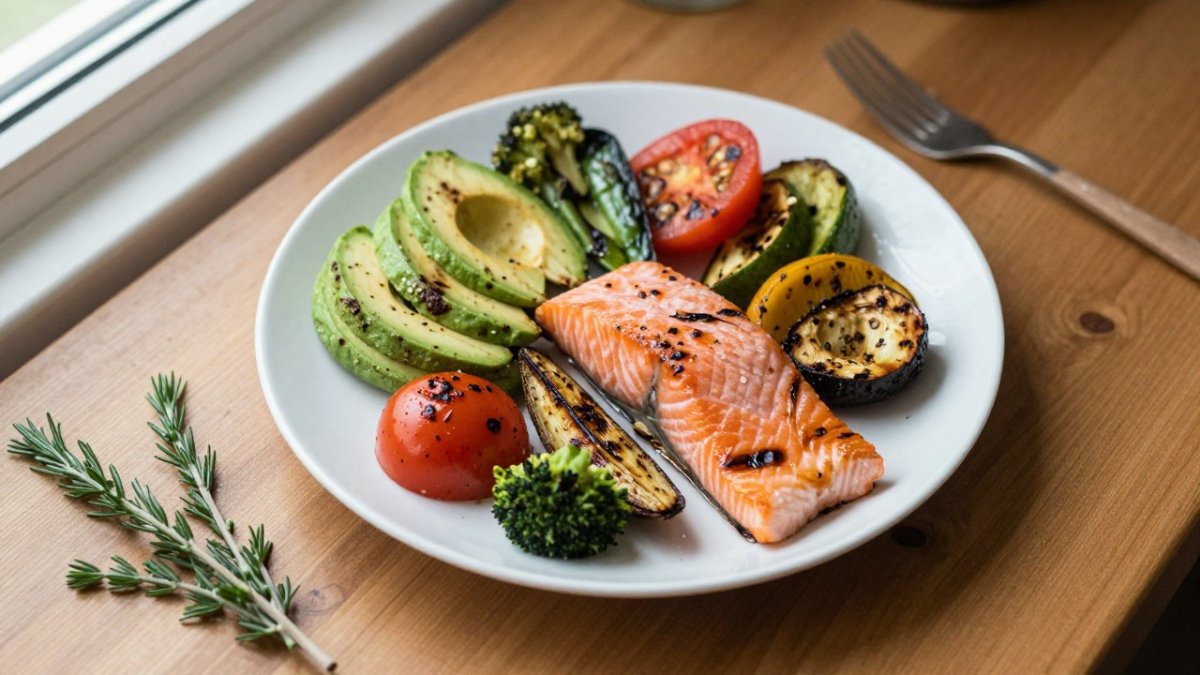
- Sheet-pan salmon and vegetables: Roast wild salmon with broccoli, zucchini and olive oil for about 15 minutes at 400°F.
- Lentil and leafy green soup: Simmer pre-soaked lentils with kale, garlic and herbs in a pressure cooker.
- Avocado and chia breakfast bowl: Mash avocado over chia seeds soaked in unsweetened almond milk, topped with berries.
- Chicken and vegetable stir-fry: Use coconut aminos, ginger and bell peppers over a small portion of cooked brown rice.
- Stuffed bell peppers: Fill peppers with ground turkey, tomatoes and herbs, then bake until tender.
Batch-cook one of these meals on a good day and freeze portions for harder days.
Your Next Step: Building a Sustainable Eating Plan with Pamela
Living with chronic fatigue is hard, and no article can account for your full history, medications or health needs. If you want personal support, Pamela, a Certified Holistic Health Coach, works with clients on personalized eating plans. Learn more about her background and approach on the About Pamela page, and explore wellness coaching options to see whether working together makes sense for you. Always check any dietary change with your healthcare provider first.
Frequently Asked Questions
Can holistic nutrition help with chronic fatigue?
Nutrition can support daily energy and overall well-being, but it is not a treatment for chronic fatigue syndrome. A systematic review found insufficient evidence that supplements or elimination diets relieve ME/CFS symptoms. Holistic nutrition works best as a supportive layer alongside medical care, focusing on whole foods, regular meals, hydration, and balanced protein and fiber. Track how you feel over several weeks and bring those notes to your healthcare provider.
What is the best nutrition for people with chronic fatigue syndrome?
Most practical guidance centers on a balanced diet of whole, minimally processed foods, including vegetables, especially leafy greens, whole grains, legumes, fish or other omega-3 sources, and adequate protein at each meal. Research reviews report that balanced diets with high-fiber whole grains and polyphenol-rich vegetables are associated with benefits, though the size of those effects is not established. Keep meals simple and realistic, especially on low-energy days.
Are there foods to avoid with chronic fatigue syndrome?
Many people with fatigue find that limiting refined sugar, highly processed snacks, fried foods, and processed meats helps them feel steadier. Refined carbohydrates can cause energy dips, so pairing starches with protein and fiber may help. No food has been proven to cause or cure ME/CFS, so treat these as personal experiments rather than rules, and watch for any foods that consistently worsen your symptoms.
Can supplements help with chronic fatigue syndrome?
Evidence for supplements in ME/CFS is limited. A systematic review found insufficient evidence to support nutritional supplements as treatments for symptoms. Some people use magnesium, CoQ10, or B vitamins, but supplements can interact with medications and vary in quality. Speak with a qualified healthcare professional before starting any supplement, and choose products with third-party testing.
How can I plan meals when fatigue makes cooking difficult?
Plan a small set of repeatable meals, batch-cook one protein and one vegetable tray once or twice a week, and keep ready-to-eat staples like canned fish, frozen vegetables, nuts, and eggs on hand. Use sheet-pan meals and slow cookers to reduce active time. Pacing matters: cook when your energy is highest and accept simple meals on bad days, which still count toward steady nourishment.
When should persistent fatigue be evaluated by a healthcare professional?
Fatigue that lasts for weeks, worsens over time, or interferes with work, sleep, or daily life should be assessed by a healthcare professional. Diagnosis of ME/CFS requires a clinical evaluation that rules out other conditions, including thyroid problems, anemia, and nutrient deficiencies. Nutritional coaching is a complement to, not a replacement for, medical evaluation.